The maritime container, now an essential component of the global logistics chain, is a relatively recent invention. Until the mid-20th century, cargo handling in ports was carried out manually and in a fragmented manner: boxes, sacks, barrels, and loose items had to be loaded one by one into the holds of ships. This process, known as break bulk cargo, was slow, uncertain, inefficient, and prone to high rates of loss or damage.
In 1956, American entrepreneur Malcolm McLean introduced the first standardized container system. His ship, the Ideal X, a converted tanker, transported 58 cargo units that could be transferred directly between truck, train, and ship without handling the contents. The efficiency gains were immediate: loading times dropped from days to hours, and operational costs decreased by more than 70%.
The true revolution came in the 1960s with international standardization through ISO 668, which defined the dimensions and technical specifications of 20- and 40-foot containers. This enabled global interoperability across different modes of transport and laid the foundation for intramodality, one of the pillars of modern logistics.
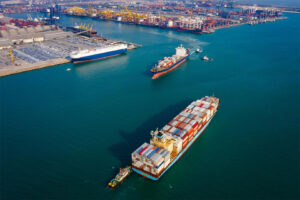
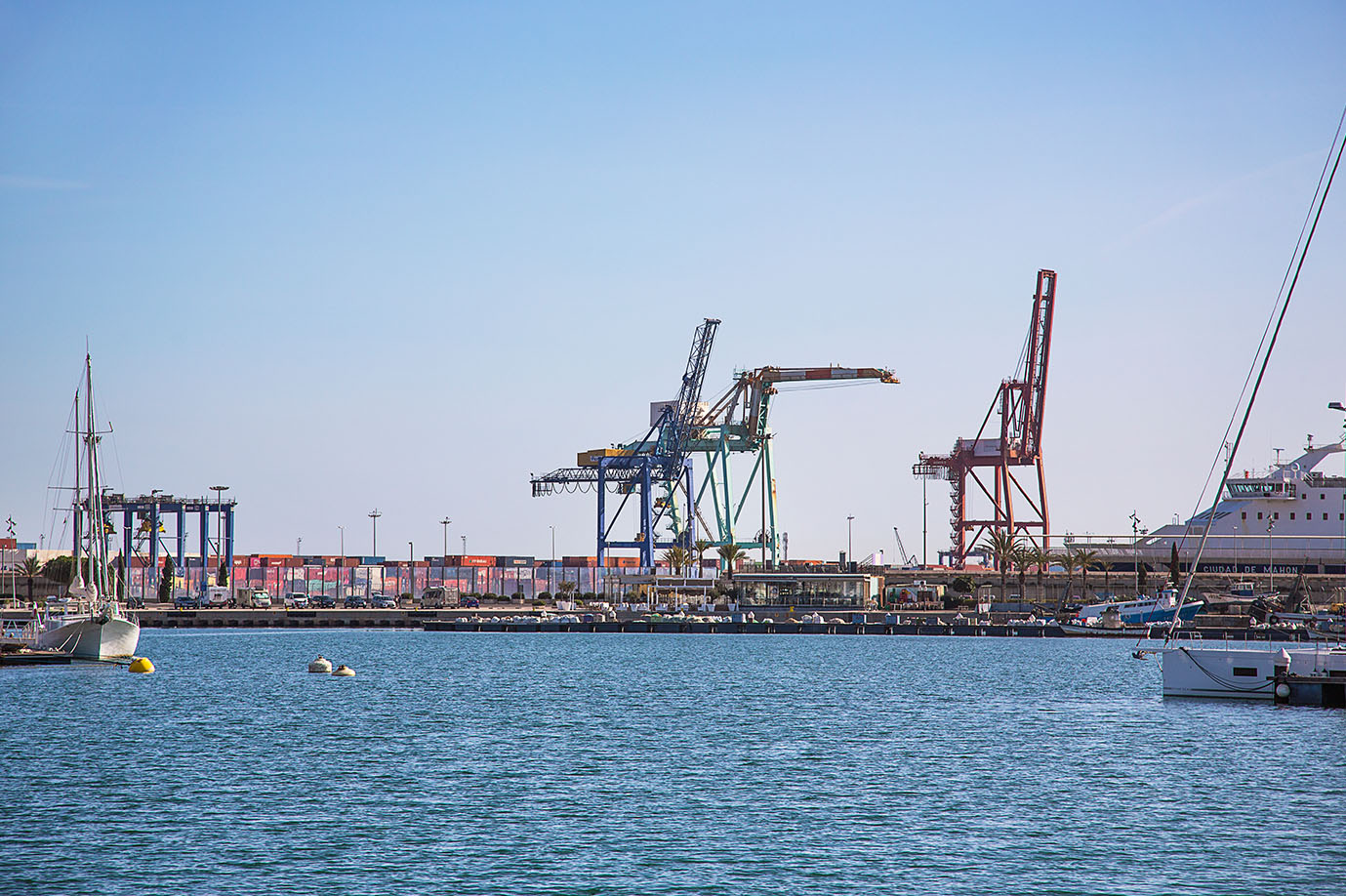
Today, the container system supports over 80% of world trade by volume and approximately 70% by value. It is estimated that more than 20 million containers are in operation, making over 200 million moves annually. Moreover, standardization has allowed the development of automated terminals, state-of-the-art cranes, and mega-ships with capacities exceeding 24,000 TEU.
This modular design completely transformed the economics of maritime transport, reducing transit times, improving cargo security, and optimizing costs throughout the supply chain. The container is not just a logistical element, but a clear example of how standardization can drive globalization and efficiency on a worldwide scale.